When I think of an epic that would encompass modern American
civilization there is one adventure that sticks out. This is the tragic
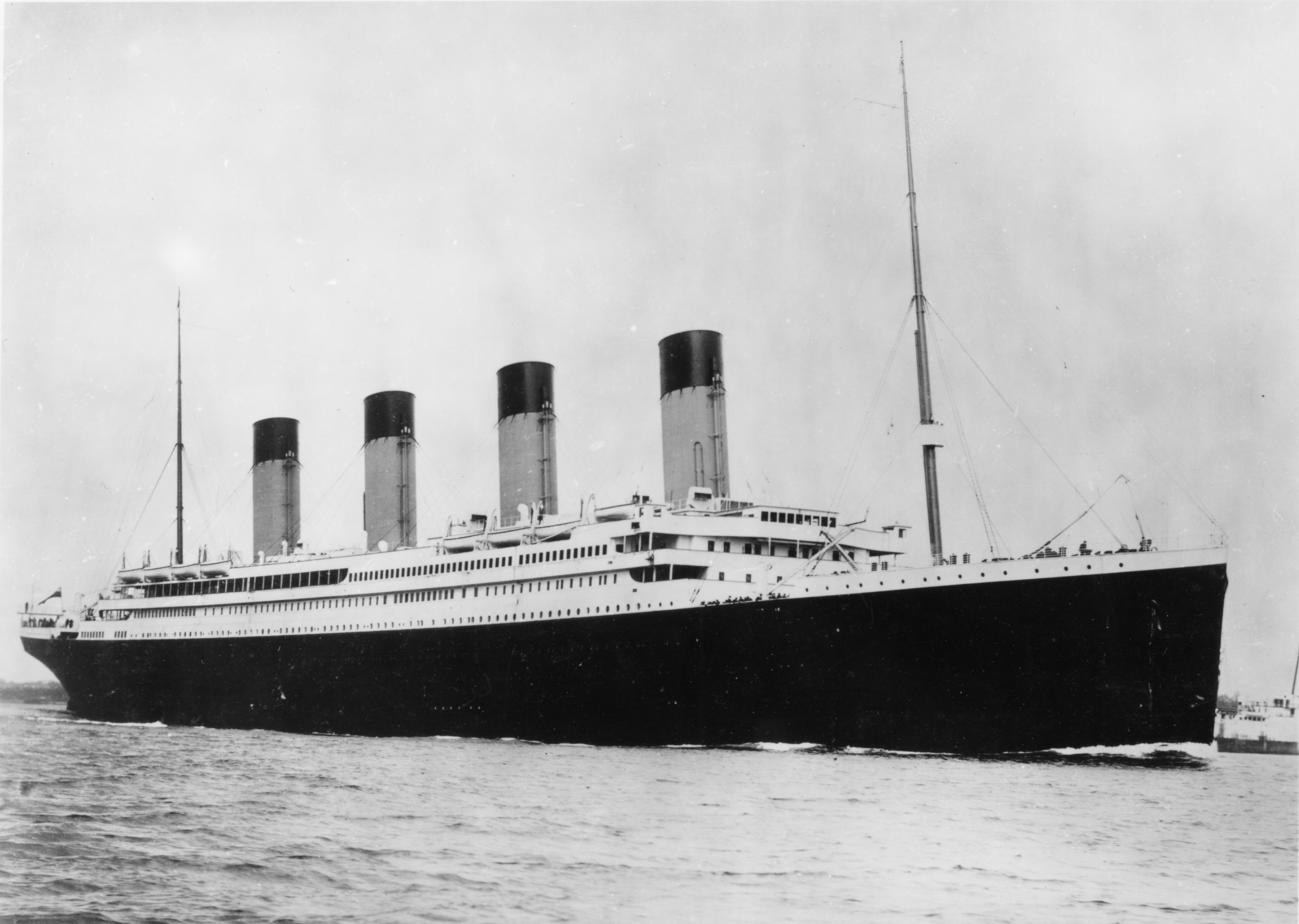
adventure of the great ocean liner Titanic. Titanic set sail from Southampton,
England on April 10th 1912 on route to New York
City. It met its tragic end on the morning of April 15th after a collision with a
massive iceberg. 2224 men, women and children lost their lives; the largest
groups were third class men and the crew. This event is solidified as a modern
day epic based on the criteria of an epic.
Our hero, the ship, takes a larger-than-life role in this
event. The national importance and significance not only includes England and
America, but also Ireland where it was built. The setting is one of an
“unsinkable ship” built by men during an epic time when they believe they could
not fail. During this time we began great designs in buildings, manufacture,
automobiles and even flight. The one thing that remains, is the fact that
mankind will never be able to stand against the almighty power of nature. This
ship goes on to catalog its possessions, crew, passengers, size, and its speed.
In addition, the use of similes like its reference as the “Queen of the Ocean”
and being something that “God himself could not sink”. Finally there are the
supernatural forces that come in and destroy this ship in all her glory. All
the little cogs that were set in place for this ship to not only crash but also
sink are unnatural. The Titanic keeps its secrets to this day, as it continues
to hold captive the many lives that were lost and will also remain on the
bottom of the ocean, only to be remembered and revered
I believe our hero in this example is the ship
itself. It possesses the basic needs of a hero. It begins with characteristics
of man for it is just a ship, nothing more, and therefore has the weaknesses of
a ship. The “superhuman” aspect is designed into it from the beginning as the largest
ship in the world and the fastest for its size. Its test or journey is to cross
the ocean with precious cargo and deliver it to the waiting world and show its
glory. It is tested many times in sea trials and by Captain Smith and performs
perfectly. In a battle against nature, our hero must endure this massive “cut”
and stay afloat long enough for neighboring ships to come, thus saving its remaining
cargo. Mere “mortal’ ships would have broken apart and sank hours earlier.
Finally as it settles on the Atlantic seabed, it’s charged to stand fast and
true, waiting for its discovery and reliving its memory.

No comments:
Post a Comment